


Structured finance runs on speed and confidence. Speed to evaluate a tape. Confidence that the collateral holds up with verifiability - a virtual paper trail that survives investment committee, auditors, and rating agency scrutiny.
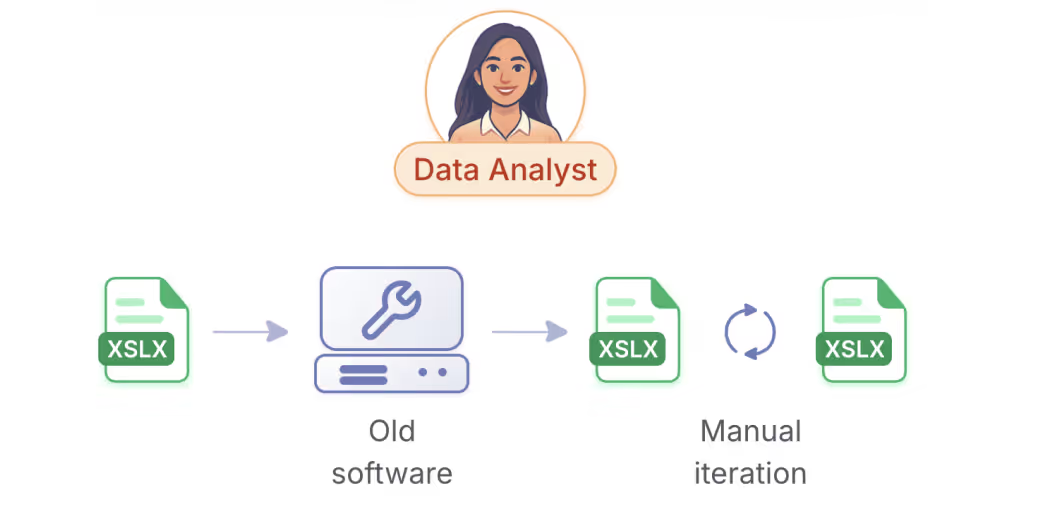
The challenge is that most teams still do this work in a very manual loop: messy loan tapes arrive, analysts clean and map fields by hand, portfolio teams iterate through stratifications and pool construction, and every new question triggers another round of rework. Worse, nothing compounds. The lessons learned mapping one tape don't carry over.
AI changes what’s possible—but only if it accelerates the workflow without breaking trust. The right goal isn’t “fully automated decisions.” It’s AI that generates the work, complete with its reasoning, and humans who can inspect, refine, and approve it quickly.
Structured finance challenges
Manual tape onboarding & validation
Loan tapes don’t arrive “clean.” Field names drift, types are inconsistent, and definitions vary across originators—then the file changes again next week. For new originators, days disappear into back-and-forth just to agree on what each column actually means. Most teams patch this with spreadsheets, legacy tools, and scripts, but every exception becomes another manual fix.
Result: onboarding tapes can eat hours to days of an experienced analyst's time - and no one downstream fully trusts what comes out
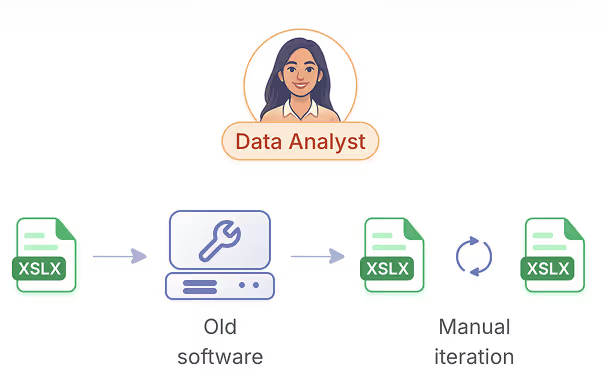
Endless stratification + pool selection rework
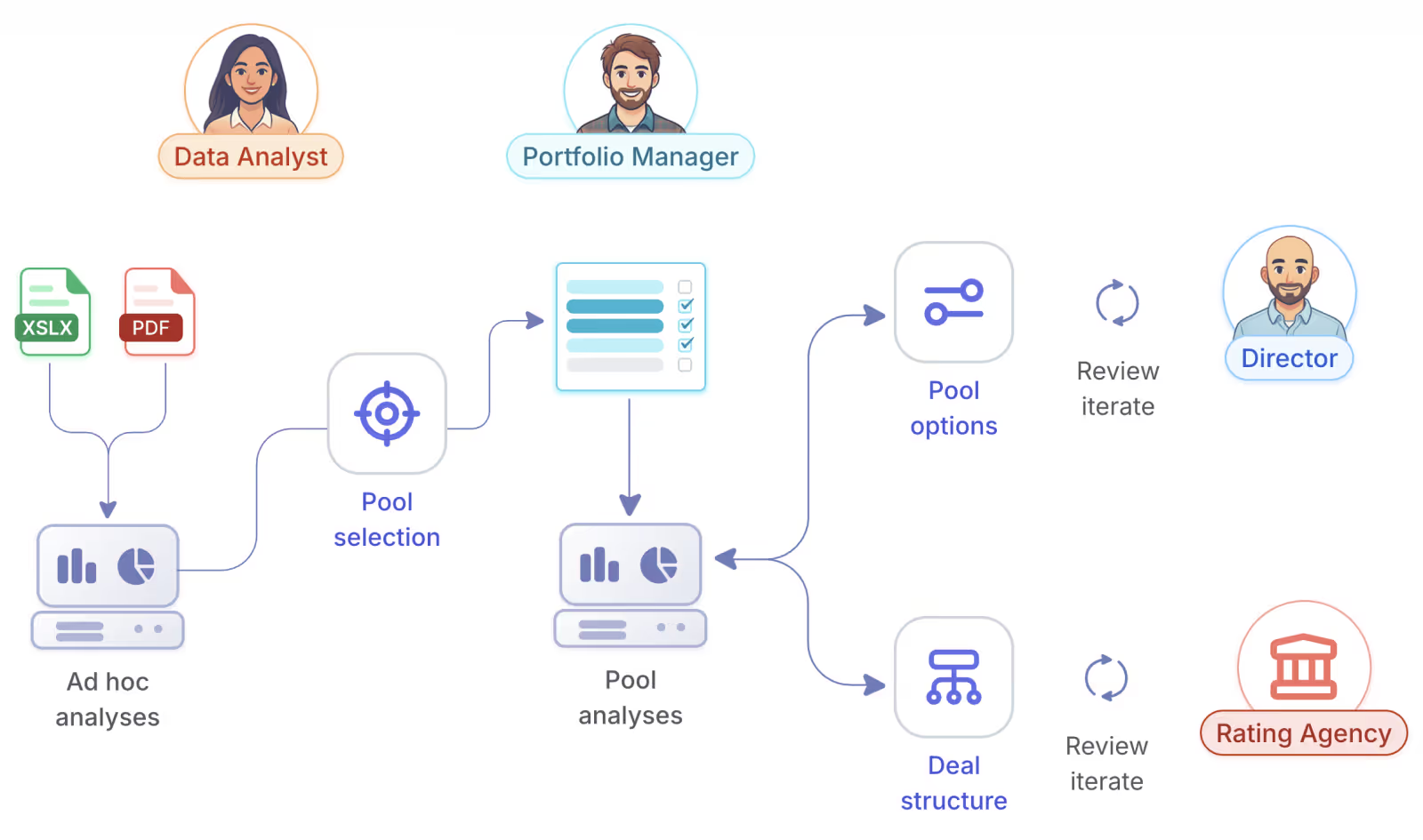
Once the tape is onboarded, pool construction is a repeat loop across different personas: portfolio manager runs stratifications, the team asks to re-run for new assumptions, the rating agency provides feedback, senior management wants the cuts compared to last quarter's deal.
Result: teams spend more time on low-value work, like rebuilding cuts than making fast and confident decisions.

An AI-accelerated lifecycle with trust
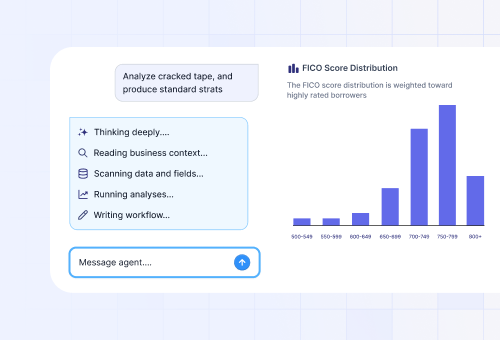
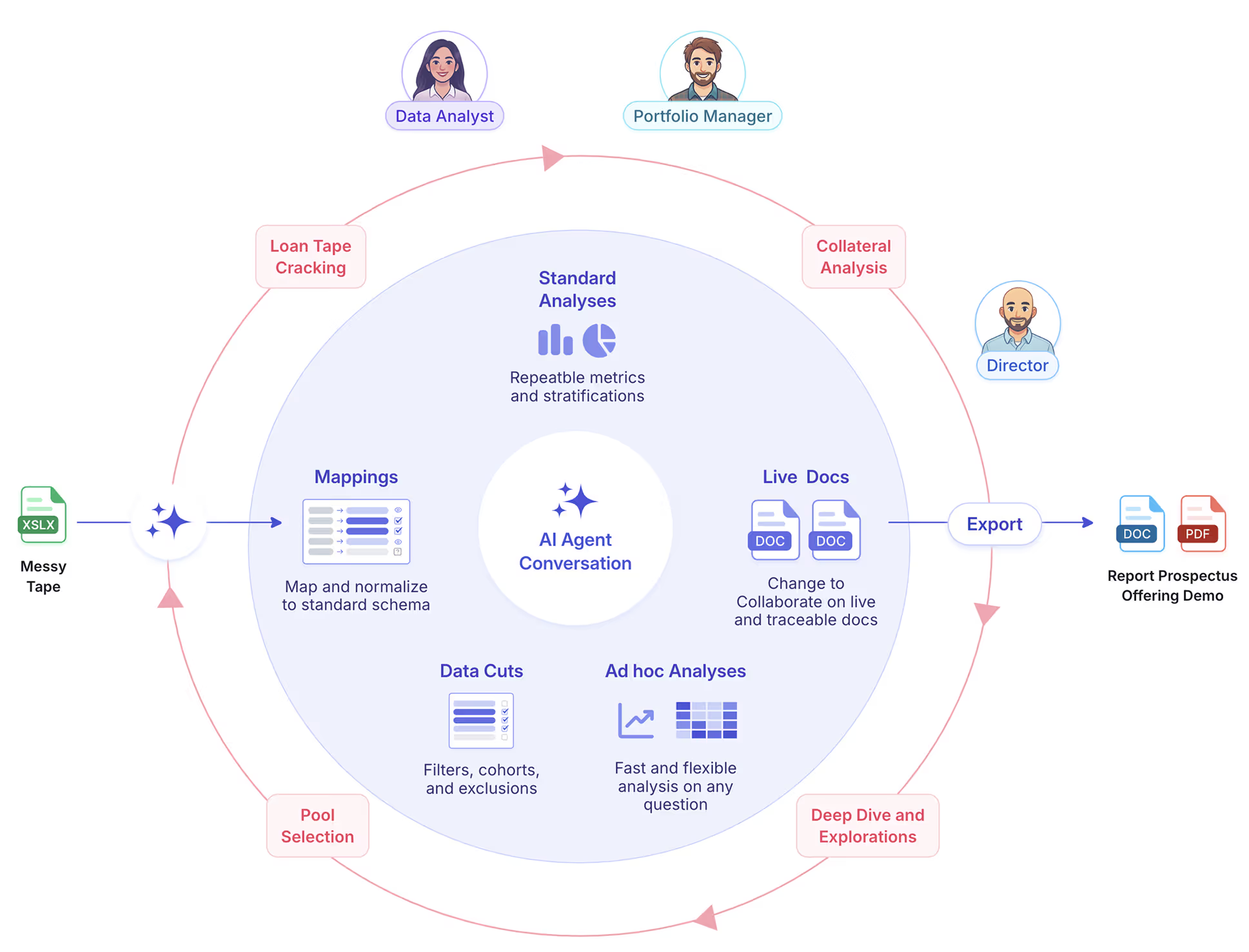
Prophecy’s AI solution enables multiple users and roles to collaborate across a lifecycle that includes loan tape onboarding, pool selection, collateral analysis, deep-dive exploration, and producing deal-ready reporting.
The core of this shift is the AI "work engine," which continuously processes user requests to generate and update the technical building blocks powering every stage of the process:
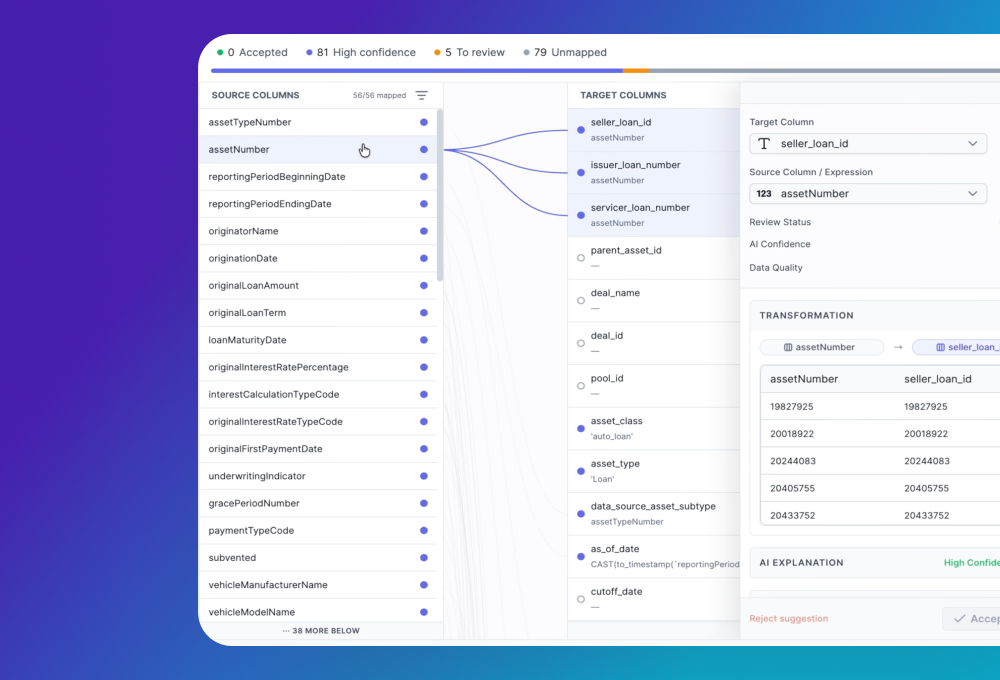
- Automated Data Mapping: Automates the processing of loan tapes by generating highly accurate mappings to target schemas.
- Streamlined Collateral Analysis: Initiates validation using built-in standard analyses, such as stratification and eligibility checks.
- Accelerated Pool Selection: Enhances ad hoc analysis by enabling faster deep dives and complex "what-if" scenarios.
- Dynamic Data Filtering: Rapidly re-analyzes filtered data cuts to accelerate the final structuring of the deal.
- Collaborative Documentation: Maintains live documents that all users can review and iterate on in real-time before export.
When inputs change—or a stakeholder asks a new question—the agent regenerates outputs with traceability, so teams move faster with control.

Automating loan tape cracking
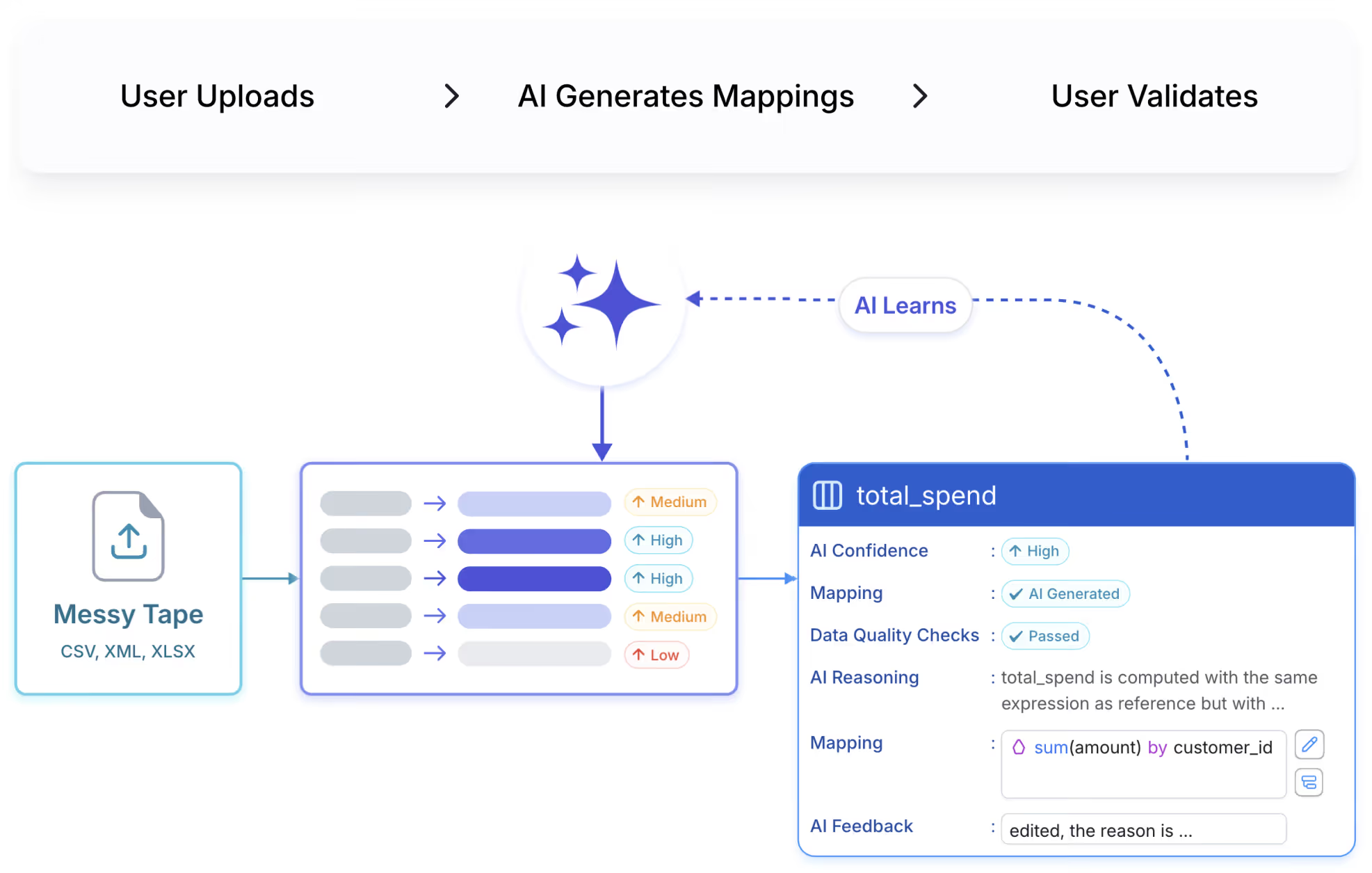
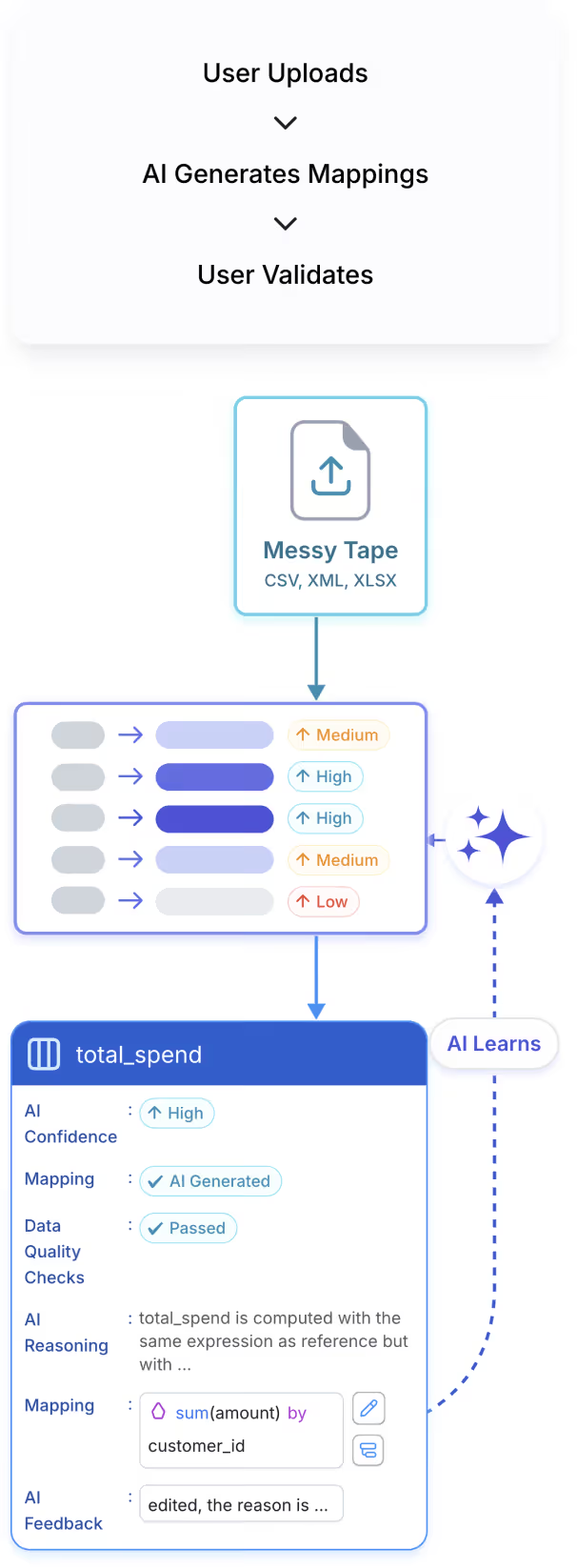
AI-driven loan tape cracking can be fully automated while maintaining human-in-the-loop validation, providing a continuous feedback loop for the model:
- Uploading Data: The user uploads "messy" tapes in CSV, Excel, or XML formats.
- AI Mapping Fields: The AI generates field mappings, type conversions, and normalized data—including key derived fields—complete with confidence scores, reasoning, and data lineage.
- Validating Results: Users intervene only for low-confidence items to approve, tweak, or confirm specific definitions.
- AI Refining Logic: The AI learns from these manual fixes so that each subsequent tape requires fewer edits, accelerating the onboarding process until accuracy approaches 100%.
Outcome: tape cracking becomes a quick review loop, not a manual rebuild.
Flexible collateral analysis and pool construction
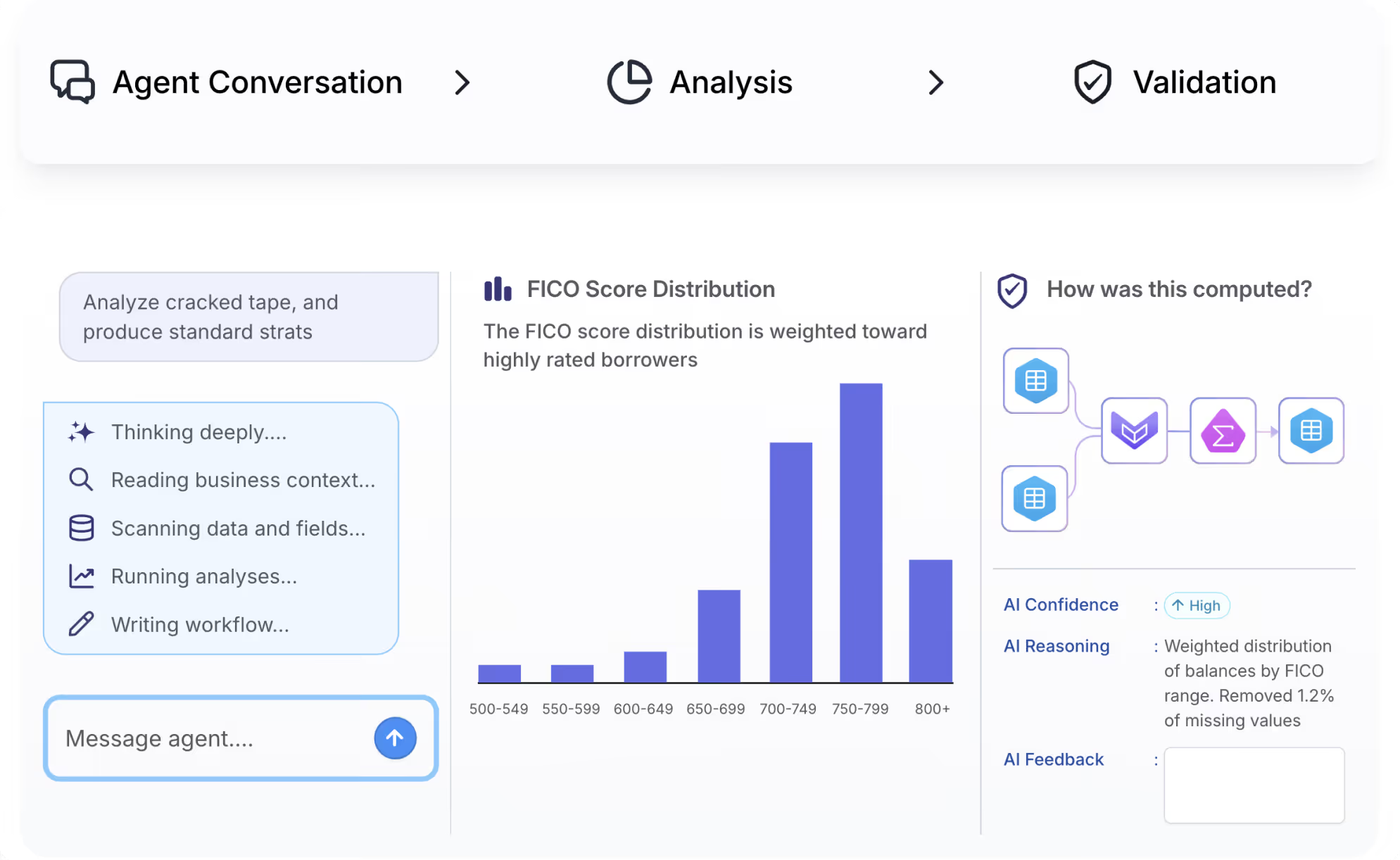
Once the data is standardized, AI accelerates analysis through two primary layers: standard reporting and ad hoc exploration.
Standard analysis
These foundational checks occur automatically during every review:
- Distribution tracking: Analyzing delinquency, default, and prepayment trends.
- Performance monitoring: Reviewing cohort and vintage performance.
- Concentration analysis: Assessing exposure across geography, employer, LTV, FICO, DTI, and origination channels.
- Data profiling: Identifying outliers and profiling missing data.
- Integrity checks: Ensuring consistency across all key fields.
The AI generates these reports automatically, presenting them in a reproducible format ready for immediate review.
Ad hoc exploration
This layer adapts to rapidly changing human intent, allowing users to query the data dynamically:
- Scenario testing: “What happens if we remove this specific originator cohort?”
- Exposure capping: “If we cap exposure to this band at X%, how does it impact yield and risk?”
- Tail-risk analysis: “Identify the worst 5% of tails and the factors driving them.”
- Structural optimization: “Which structural options best satisfy these specific constraints?”
AI is particularly effective here, enabling rapid iteration while providing full transparency into the underlying computations for user validation.
The goal: move from “ask analyst, wait, re-run” to “converse, generate, validate, iterate.”

Reliable performance tracking (surveillance)
Structured finance doesn’t end at purchase. Ongoing surveillance is where operational rigor matters.
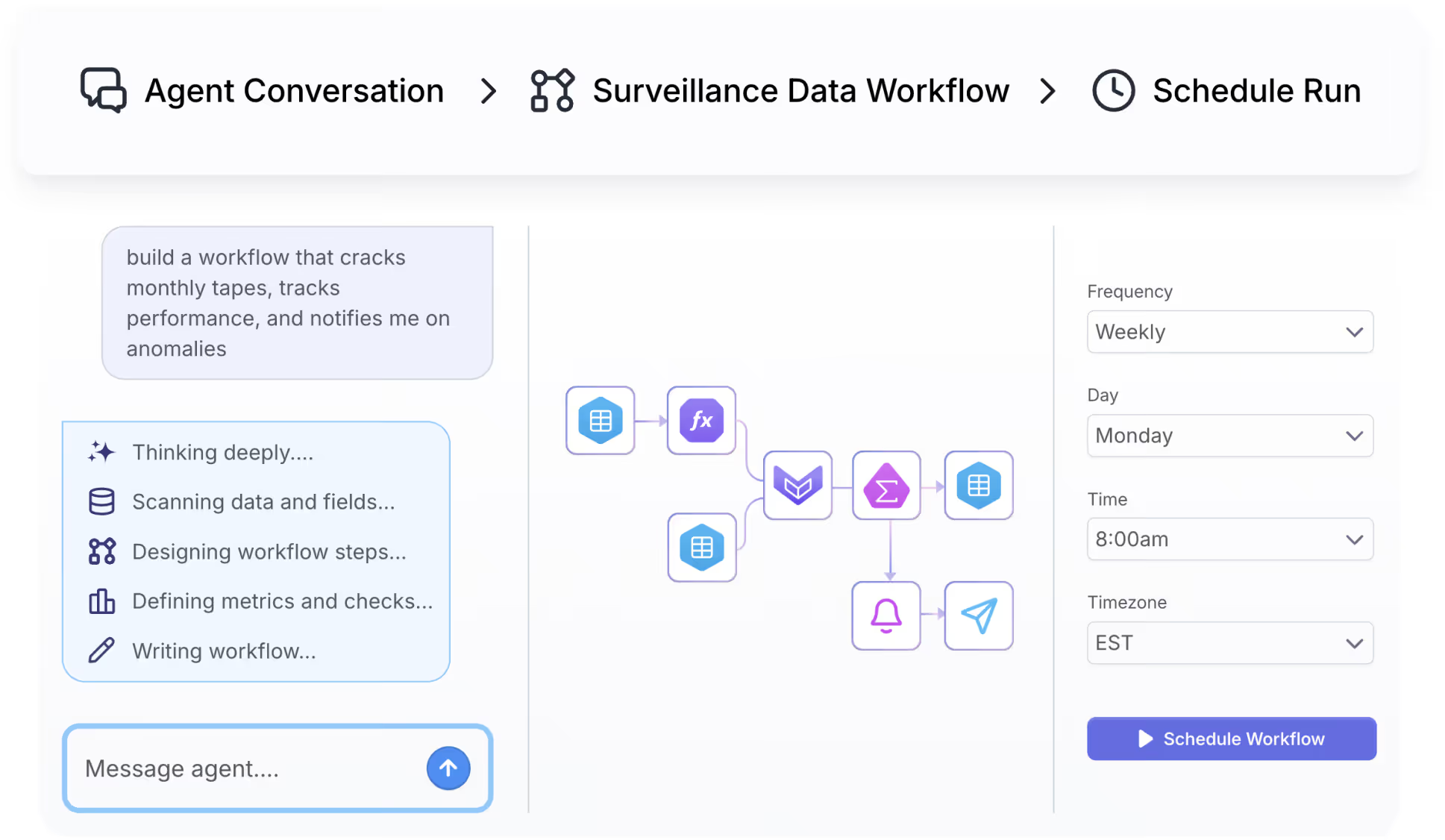
AI enhances surveillance by ensuring the process is:
- Repeatable: Standardized workflows run consistently across every period.
- Scheduled: Automated runs occur on a set cadence, whether monthly, weekly, or daily.
- Explainable: Anomalies are directly linked to the underlying data and logic that produced them.
- Actionable: Targeted alerts highlight exactly what changed and where to focus attention.
Instead of rebuilding reports, teams spend time interpreting changes and making decisions.

What adoption of AI unlocks
When AI is paired with trust—facilitated by transparent inspection and continuous refinement—it delivers compounding benefits across the entire workflow:
- Accelerated Onboarding: Streamlines loan tape processing by significantly reducing manual mapping efforts.
- Rapid Iteration: Enables faster pool selection and adjustment without the need for constant rebuild cycles.
- Enhanced Governance: Strengthens oversight through integrated data lineage, versioning, and clear review points.
- Scalable Operations: Empowers teams to scale by allowing experts to focus on strategic decision-making rather than repetitive data preparation.
- Transparent Auditing: Maintains a comprehensive audit trail that tracks all assumptions, adjustments, and final outputs.
By shifting the burden of manual execution to a trusted AI engine, ABS firms - whether you’re running an Auto ABS desk, RMBS desk, or CMBS desk - can transform their technical bottlenecks into a distinct competitive advantage.
Watch AI agents in action
Whether you are head of securitization, portfolio manager, Structured Credit Analyst, data analyst, ABS/RMBS/CMBS structurer, structured credit PM, or securitized product analyst, see how AI is bringing change to your industry